 Mohamed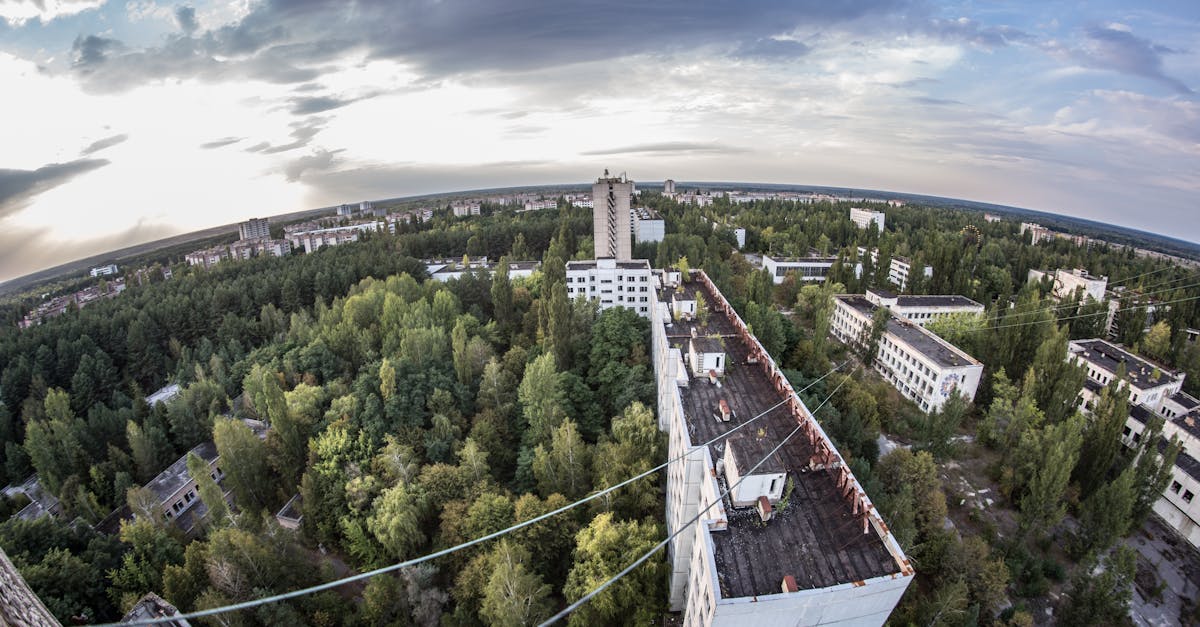
Recent studies show rising radiation levels in the Chernobyl exclusion zone, raising concerns about environmental impact and safety.
## Radiation Levels Rise at Chernobyl: A Renewed Concern
Radiation levels in the Chernobyl exclusion zone have shown a noticeable increase in recent weeks, sparking fresh concerns among scientists and environmentalists. As of this week, measurements taken by researchers reveal elevated radioactivity in specific hotspots within the zone.
This resurgence in radiation has brought renewed attention to Chernobyl—once the site of the worst nuclear disaster in history—as experts investigate the potential ecological and safety implications.
## Why is Chernobyl Trending This Week?
The recent spike in radiation readings has stirred widespread interest following new data released by Ukrainian and international monitoring teams over the past month. Media outlets globally have covered these developments, making “Chernobyl” a trending topic.
Factors contributing to this rise include changing weather patterns and natural erosion that can uncover previously buried radioactive materials. Additionally, increased human activity and unauthorized visits may disturb contaminated soil, releasing particulates into the air.
## What Are the Latest Radiation Measurements?
Recent reports indicate that radiation in some parts of the exclusion zone has increased by up to 20% compared to late April 2024. These readings primarily involve isotopes such as cesium-137 and strontium-90.
Although levels remain below threshold exposures hazardous to humans at a casual glance, these changes prompt closer surveillance to prevent possible health risks to workers, visitors, and wildlife.
## Expert Insights on the Rising Radiation
Dr. Ivan Petrov, an environmental physicist involved in the latest studies, explained, “The Chernobyl ecosystem is dynamic; radionuclides can be redistributed through natural processes like wind, water flow, or fire. The recent rise is a reminder that we must continuously monitor these changes to understand potential impacts.”
Experts emphasize that while human exposure within regulated zones remains minimal, the ecosystem’s radiation variations could affect local flora and fauna.
## The Impact on the Chernobyl Ecosystem
Studies published in the past month show subtle but measurable effects on wildlife, including altered population patterns and mutations. These changes correlate with areas where radiation concentrations have ticked upwards. Continuous monitoring is essential to guide conservation strategies and policies in the exclusion zone.
## How Authorities Are Responding
Ukrainian authorities have increased monitoring efforts and are considering tightening access restrictions, especially in areas with recent radiation spikes. Enhanced safety protocols aim to protect both researchers working on site and tourists visiting Chernobyl.
The government also announced plans to invest in updated radiation mapping technology to better track and predict changes within the zone.
## What Visitors Should Know About Current Risks
Tourists visiting Chernobyl should remain informed about the evolving conditions. Guided tours continue under strict safety standards; however, visitors are advised to follow all official guidelines and avoid venturing into restricted or less surveyed areas.
Renowned experts encourage tourists to use radiation dosimeters available through tour providers to monitor individual exposure.
## Looking Forward: Continued Vigilance Is Key
The current rise in radiation levels within the Chernobyl exclusion zone highlights the need for ongoing scientific study and public awareness. Understanding these changes will improve disaster response strategies and ecological preservation.
Chernobyl remains a living example of nuclear impact, demonstrating that even decades later, vigilance and informed action remain necessary.
## Stay Updated on Chernobyl and Environmental Safety
As researchers continue releasing new findings this month, staying informed is crucial. Follow trusted sources for regular updates on radiation levels and what they mean for both the environment and public safety.
Together, we can respect Chernobyl’s history while advancing knowledge to protect our planet.