
 Mohamed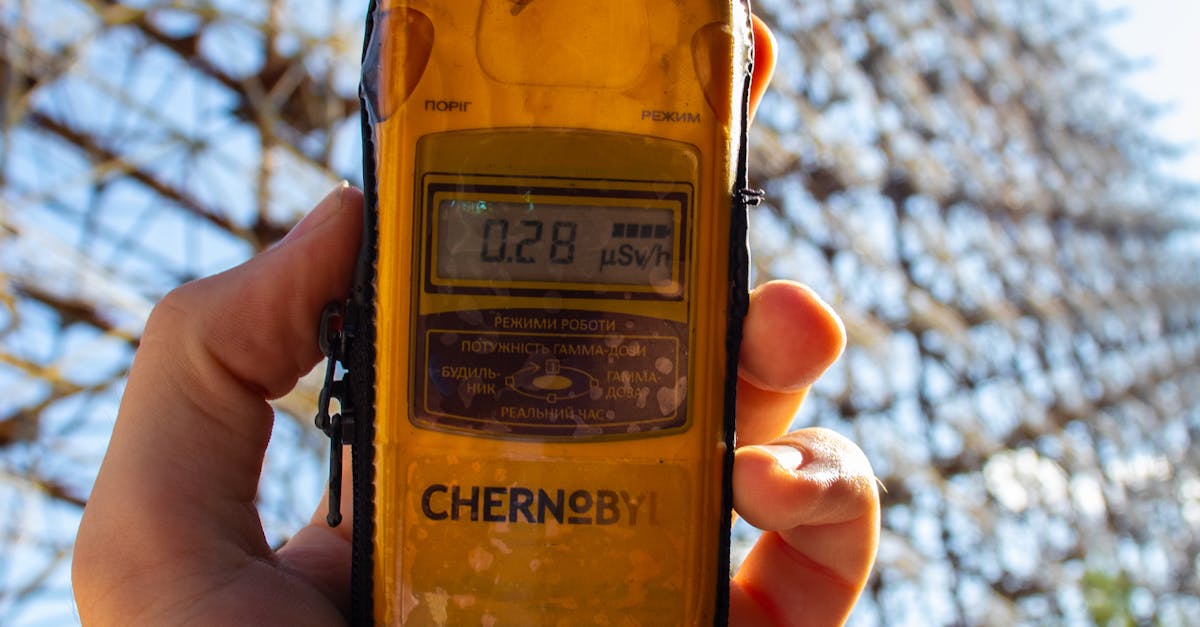
Recent studies at Chernobyl reveal fresh radiation data, showing persistent environmental risks and renewed safety concerns near the exclusion zone.
## New Radiation Findings Bring Chernobyl Back to the Spotlight
Recent radiation measurements taken at the Chernobyl site have triggered new concerns over lingering environmental risks decades after the 1986 nuclear disaster. This week, international researchers have released data indicating that radiation levels in certain hotspots remain unexpectedly high and may be affecting nearby ecosystems more than previously understood.
This resurgence in attention to Chernobyl’s radiation levels is part of a broader effort to understand the long-term environmental impact and risks associated with the exclusion zone. It comes as governments and environmental agencies review safety protocols, especially following increased tourist visits and new scientific expeditions to the area.
## Why Is Chernobyl Trending Now?
After years of relative quiet, Chernobyl has returned to trending news due to these latest scientific updates coupled with increasing public interest in the exclusion zone’s condition. Recent drone surveys and on-site monitoring have provided a more detailed radiological map, showing previously unnoticed “hot spots” where radiation remains elevated.
Furthermore, this week marks a series of international conferences focusing on nuclear safety and environmental recovery, where Chernobyl’s data has become a key case study. Media coverage has amplified these updates, sparking renewed discussions around environmental hazards and disaster management.
## Recent Radiation Measurements and Their Significance
The new findings reveal radiation levels in some soil and water samples around the Chernobyl exclusion zone that exceed earlier expectations. Researchers report that specific isotopes, including cesium-137 and strontium-90, persist in local flora and fauna at measurable concentrations.
Experts emphasize that while general radiation levels remain low enough for managed human presence in certain parts, localized spikes pose risks to wildlife and could impact broader environmental health if not continuously monitored.
## Impact on Local Ecosystems
The ongoing radiation presence at Chernobyl has complex effects on the region’s ecosystems. Recent biological studies include evidence of genetic mutations in small animal populations and changes in plant growth patterns.
Environmental scientists caution that these effects extend beyond the exclusion zone’s boundaries, potentially influencing biodiversity in the surrounding areas. Understanding these environmental impacts is vital for planning conservation efforts and maintaining ecological balance.
## The Role of Tourism and Increased Human Activity
Interestingly, the renewed radiation findings come amid a surge in tourism to Chernobyl, where visitors explore the ghost town of Pripyat and the power plant grounds. Authorities have tightened restrictions to ensure safety, but the interaction between humans and existing radiological hazards requires careful management.
Officials maintain that while tourist areas have been deemed safe under current guidelines, more precise radiation monitoring is essential to keep risks low and avoid unintended exposure, especially as visitor numbers grow.
## Expert Insights: What the Data Means for Future Safety
Radiation safety experts highlight that these measurements underscore the importance of continuous environmental assessment at nuclear disaster sites. Dr. Elena Mirova, a radiological specialist involved in the recent studies, notes, “The Chernobyl exclusion zone is a living laboratory where we can learn about radiation’s long-term environmental impact, but it also reminds us that vigilance is essential to protect ecosystems and human health.”
Her team advocates for increased international collaboration to monitor and respond to potential hotspots, as well as investing in technologies for radiation cleanup and containment.
## Practical Takeaways for Readers
What does this mean for the average person interested in Chernobyl or environmental safety?
– Chernobyl remains a site with ongoing radiation concerns, but controlled visits under official guidance are considered reasonably safe.
– Awareness of these findings encourages support for scientific research aimed at environmental rehabilitation.
– The situation exemplifies the need for comprehensive disaster planning and environmental monitoring worldwide.
## Looking Ahead: Research and Recovery
The recent radiation findings reaffirm the need for long-term studies at Chernobyl. Continuous monitoring will help detect changes in radiation distribution and assess ecological health over time.
Researchers also stress the value of the exclusion zone as a model for understanding how nature can adapt or suffer in the aftermath of nuclear accidents.
## Stay Informed and Support Environmental Safety
Chernobyl’s recent radiation data reminds us that the effects of nuclear disasters can linger for decades. Staying updated on scientific discoveries and supporting environmental safety initiatives can contribute to a safer and healthier planet.
Keep following trusted sources for the latest on Chernobyl and related environmental research.