
 Mohamed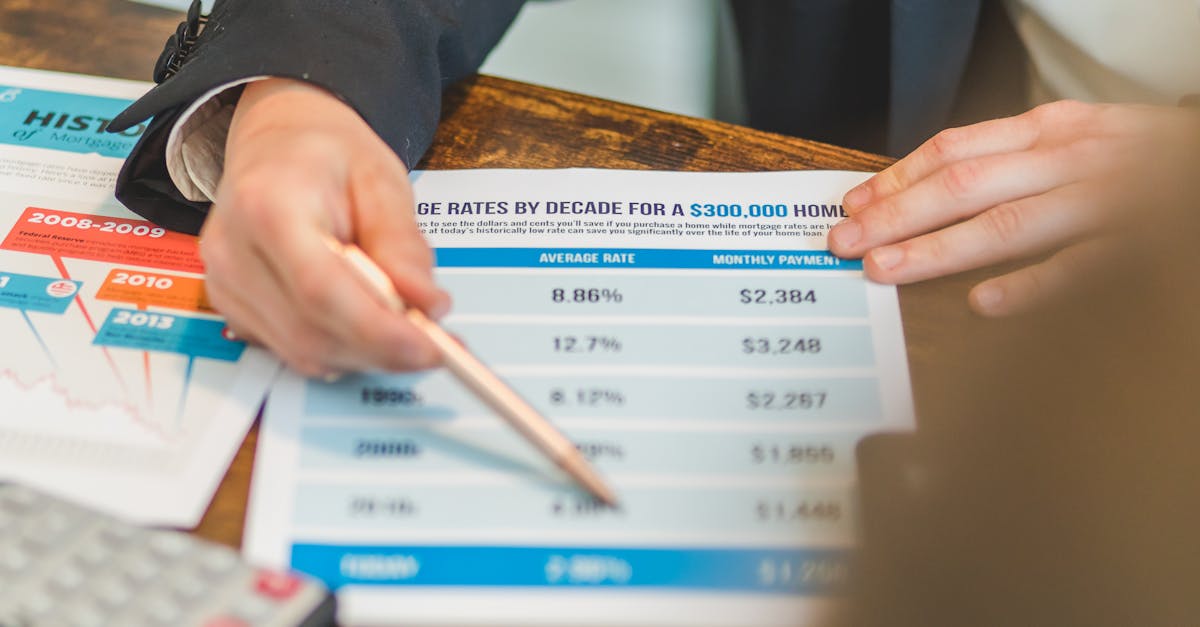
Mortgage rates rise in mid-2024 amid ongoing inflation fears. Discover the factors influencing rates, expert insights, and tips for navigating today’s mortgage market.
Mortgage rates have inched higher in mid-2024, continuing a trend fueled by persistent inflation concerns and economic uncertainty. This upward movement affects homebuyers and homeowners considering refinancing, making mortgage affordability a renewed challenge. Understanding why mortgage rates are rising now, how inflation factors into this equation, and what buyers can do offers crucial insights during this period of market adjustment.
Recent weeks have highlighted the renewed pressure on mortgage rates as financial markets react to the Federal Reserve’s ongoing policy stance aimed at combating elevated inflation. While inflation has moderated compared to 2022, it remains above the Fed’s long-term target, prompting cautious investor sentiment. Consequently, mortgage interest rates, which often mirror Treasury yields and inflation expectations, have edged upward.
## Why Are Mortgage Rates Rising in Mid-2024?
Mortgage rates are largely influenced by long-term bond yields, especially the 10-year Treasury note. As inflation fears persist, investors demand higher yields on bonds to offset anticipated decreases in purchasing power. This translates into higher borrowing costs for mortgages.
The Federal Reserve’s monetary policy remains vigilant; while rate hikes have paused recently, the central bank continues signaling a cautious approach, leaving markets uncertain about future interest rate moves. This uncertainty elevates mortgage rates as lenders factor in possible cost increases.
## Inflation’s Role in Mortgage Rate Movements
Inflation erodes the value of future loan repayments, compelling lenders to charge more to compensate for inflation risk. Inflation data from recent months show mixed signals—while headline inflation is drifting down, core inflation remains sticky, keeping markets on edge.
Additionally, wage growth and supply chain disruptions still exert inflationary pressures. These factors collectively signal that inflation is not fully subdued, justifying at least a modest rise in interest rates, including mortgages.
## Impact on Homebuyers and Refinancers
Higher mortgage rates increase monthly payments, reducing home affordability. For example, a rise of just 0.5% in mortgage rates can increase monthly payments on a $300,000 loan by approximately $85. This can influence buyer behavior, causing some to delay purchases or seek smaller loan amounts.
Refinancing activity also tends to slow as rates climb, with fewer homeowners able to secure savings by swapping their existing mortgages for lower-rate loans. This trend is notable in recent mortgage application reports, showing a dip in both purchase and refinance activity compared to earlier 2024.
## Expert Insights
Financial experts urge buyers to remain vigilant but not discouraged. Lisa Nguyen, a mortgage analyst at Home Lending Insights, notes, “While rising rates pose challenges, locking in a rate sooner rather than later can protect against further increases. Buyers should also explore available programs and lender options to find the best fit.”
Mortgage lenders are increasingly offering tools such as rate locks and adjustable-rate mortgages to help borrowers manage the rate environment.
## Practical Tips for Borrowers in the Current Market
– **Consider Locking Rates Early:** If you’re in the mortgage process, locking your rate can shield against further increases.
– **Improve Credit Scores:** Higher credit ratings can secure better mortgage rates.
– **Explore Adjustable-Rate Mortgages (ARMs):** ARMs may offer lower initial rates but carry variable future terms.
– **Increase Down Payment:** Larger down payments reduce loan amounts and monthly payments.
– **Stay Informed:** Regularly monitor economic news and lender offerings.
## Looking Ahead
Though mortgage rates are edging upward, some analysts anticipate a potential stabilization or modest decline if inflation indicators improve and the Federal Reserve signals easing policy. However, given economic uncertainties, rates are likely to remain elevated relative to the pandemic lows for some time.
Buyers and refinancers must adapt to this new normal by planning carefully and seeking expert advice. The mortgage landscape in mid-2024 demands informed decision-making to optimize financial outcomes.
In conclusion, while mortgage rates are rising due to persistent inflation worries, understanding market drivers and taking proactive steps can help homebuyers navigate these challenges. Monitor developments closely and connect with qualified mortgage professionals to find solutions tailored to your needs.
Take the next step toward your homeownership or refinancing goals equipped with knowledge and strategy.