
 Mohamed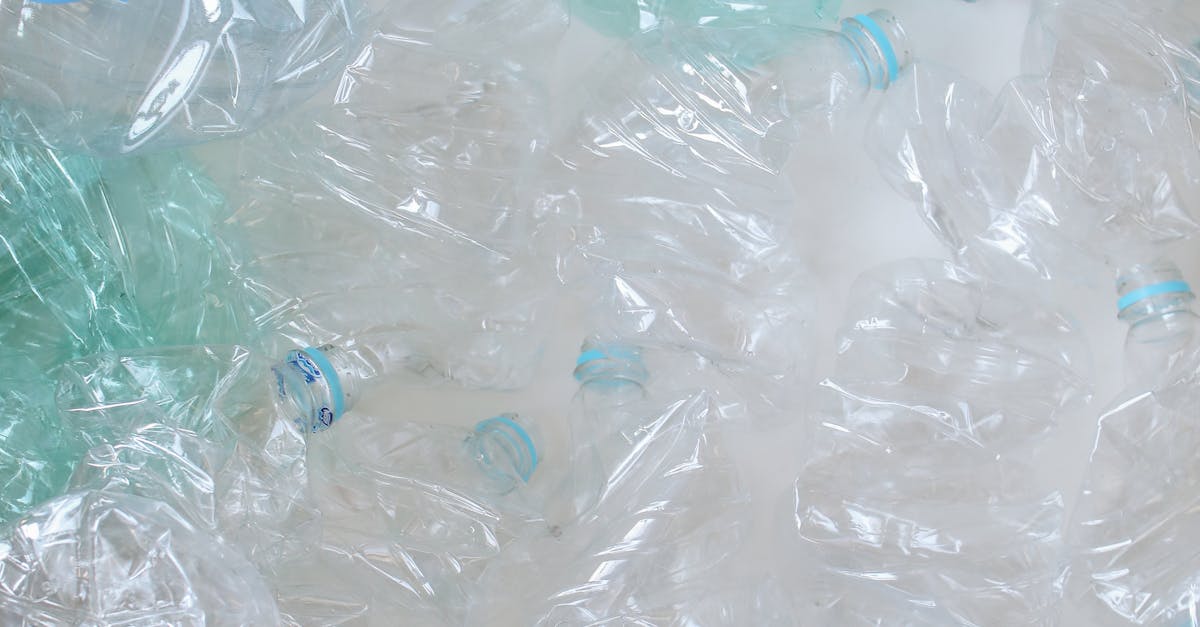
Coca-Cola reveals new sustainability targets focusing on eco-friendly packaging and waste reduction as part of its latest environmental commitment.
Coca-Cola is making headlines this week after unveiling a bold set of sustainability goals focused on transforming its packaging and reducing environmental impact. As the beverage giant faces growing pressure from consumers and regulators to address plastic waste and carbon emissions, the new initiative aims to significantly overhaul packaging materials by 2030. This development marks a critical step in Coca-Cola’s efforts to align with global sustainability standards and enhance its corporate social responsibility.
The announcement comes amid rising awareness of plastic pollution worldwide and intensifies following recent regulatory changes in key markets that incentivize companies to reduce their environmental footprint. By updating its sustainability framework, Coca-Cola seeks to demonstrate leadership in the beverage sector and respond proactively to shifting consumer preferences toward greener products.
## Why Coca-Cola’s New Goals Are Trending Now
The timing of Coca-Cola’s announcement highlights the company’s response to heightened scrutiny over plastic packaging. Recent global discussions, including the United Nations Environment Assembly, have accelerated calls for companies to adopt meaningful actions against plastic pollution. Additionally, Coca-Cola faces increasing competition from brands emphasizing eco-friendly packaging, making this overhaul crucial for sustaining market relevance.
## Overview of Coca-Cola’s Updated Sustainability Commitments
According to the latest disclosures, Coca-Cola aims to achieve a range of ambitious targets by 2030:
– **100% recyclable packaging**: All Coca-Cola products will use packaging that is fully recyclable, reducing plastic residue in the environment.
– **Use of recycled materials**: The company plans to double its use of recycled plastic content in bottles to at least 50%.
– **Waste reduction initiatives**: Efforts to minimize packaging waste throughout its supply chain, including investments in reusable packaging models.
– **Collaborations for circular economy**: Partnering with governments, NGOs, and recycling firms to improve collection and processing capabilities globally.
These goals build upon Coca-Cola’s existing World Without Waste campaign, which launched in 2018 with a pledge to collect and recycle a bottle or can for every one sold by 2030.
## Expert Opinions on Coca-Cola’s Sustainability Strategy
Environmental analysts see Coca-Cola’s latest announcement as a meaningful reaffirmation of its responsibility in tackling one of the largest contributors to plastic pollution. Sarah Thompson, a sustainability consultant with GreenFuture Insights, commented, “Coca-Cola’s revised goals show a growing recognition that corporate sustainability is not just a marketing pledge but a strategic imperative. Their focus on packaging innovation and circularity could set a benchmark for the industry if executed effectively.”
However, some experts caution that while ambitious, achieving these targets will require significant operational changes and transparency in reporting progress. Continuous consumer education and stricter regulatory frameworks will likely play a key role in driving measurable impact.
## Challenges and Opportunities Ahead
Transitioning an extensive global supply chain to sustainable packaging is no small feat. Coca-Cola faces challenges such as sourcing enough recycled materials to meet demand, redesigning bottling infrastructure, and ensuring cost-efficiency without burdening consumers.
On the opportunity side, the overhaul can enhance brand loyalty among environmentally conscious consumers, open doors for innovation in packaging technology, and potentially lower long-term environmental compliance costs.
## Practical Takeaways for Consumers and Industry
Consumers keen on supporting sustainable brands can expect to see more recyclable packaging and transparency around Coca-Cola’s environmental efforts in the coming years. Industry peers may follow suit as Coca-Cola’s initiatives set higher standards within the beverage and packaging sectors.
For businesses, this underscores the importance of integrating sustainability goals into core operations, particularly focusing on circular economy principles and collaborative partnerships to drive systemic change.
## Looking Forward
Coca-Cola’s unveiling of new sustainability goals amid a packaging overhaul signals a pivotal moment for the company and the industry at large. By committing to more responsible packaging and waste reduction, Coca-Cola aims to balance market demands with environmental stewardship.
As consumers become increasingly eco-conscious, keeping an eye on how Coca-Cola and similar giants deliver on these promises will be essential. Their progress will shape expectations for the future of sustainable consumer products.
Stay tuned for updates on Coca-Cola’s sustainability journey and how it influences packaging innovation worldwide.
—
Ready to support sustainable choices? Keep informed about beverage companies’ green initiatives and opt for brands investing in eco-friendly packaging.