
 Mohamed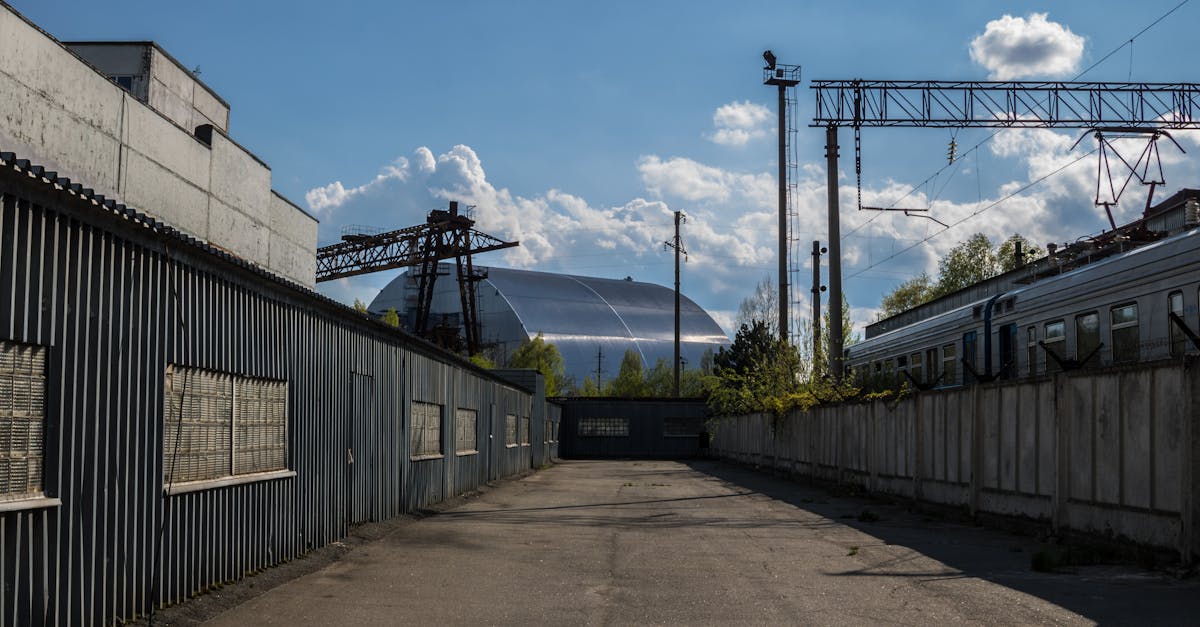
Explore the latest changes happening in Chernobyl’s exclusion zone, including environmental shifts, tourism updates, and preservation efforts in 2024.
## Chernobyl’s Latest Developments: What’s Changing in the Exclusion Zone Now
Chernobyl has been a focal point of global attention again in 2024, thanks to several recent developments in the exclusion zone that are stirring fresh interest worldwide. Over the past month, new environmental studies, preservation projects, and tourism policies have emerged, reshaping how the zone is managed and perceived.
These changes come amid ongoing efforts to balance safety with scientific research and the growing curiosity of tourists eager to visit this infamous site.
### Why Is Chernobyl Trending Now?
Chernobyl’s resurgence in the news this week is linked to renewed scientific findings released by Ukrainian researchers and international environmental teams. Recent reports highlight shifts in radiation levels, wildlife activity, and ecological recovery, attracting media and public focus.
Additionally, adjustments to visitor access protocols and heritage preservation plans were announced, prompting a spike in related searches for “Chernobyl”.
### New Environmental Insights from the Exclusion Zone
Recent studies published within the last 30 days reveal that:
– Radiation levels in some parts of the exclusion zone have decreased more significantly than expected, positively impacting flora and fauna resurgence.
– Wildlife, including endangered species, has been observed thriving in previously unmonitored areas, suggesting a remarkable ecological recovery.
– Scientists continue monitoring radioactive contamination in soil and water to assess long-term ecosystem health.
These findings present a hopeful outlook on nature’s resilience despite the nuclear disaster’s legacy.
### Changes in Chernobyl Tourism Policies
Tourism operators and Ukrainian authorities have introduced new safety measures and guided access routes:
– Visitor numbers are now capped daily to minimize ecological disturbance and radiation exposure risk.
– New guided tours focus on educational content about radiation safety and local history.
– Strict protocols for food, waste, and equipment are enforced to prevent contamination spread.
These measures aim to protect both visitors and the environment as interest in Chernobyl tourism grows.
### Preservation and Restoration Efforts
In parallel with tourism updates, a new preservation initiative has been launched to stabilize key structures within the zone:
– The infamous Reactor 4 sarcophagus maintenance continues with improved robotics and remote monitoring technologies.
– Cultural heritage projects are underway to document and preserve historical artifacts safely.
– Local experts collaborate with international partners to promote sustainable conservation.
Such efforts ensure that the legacy of Chernobyl remains accessible yet secure for future generations.
### Expert Opinions on Chernobyl’s Changing Landscape
Environmental scientists and historians express cautious optimism about the exclusion zone’s progress.
Dr. Oksana Ivanova, an ecologist specializing in radiation impact, states, “The recent ecological data is encouraging and demonstrates nature’s capacity to recover, but ongoing vigilance is essential to maintain safety standards.”
Historian Maksym Petrov adds, “Preserving the human story of Chernobyl remains critical. New projects that combine history and science help contextualize this tragedy for visitors and researchers alike.”
### Practical Takeaways for Visitors and Researchers
If you’re planning to visit Chernobyl or follow developments:
– Book tours through certified operators adhering to new safety regulations.
– Stay informed on environmental updates as conditions in the zone evolve.
– Respect the exclusion zone guidelines to protect yourself and the environment.
Scientific communities continue to welcome collaboration and data sharing to deepen understanding.
## Looking Ahead: The Future of the Chernobyl Exclusion Zone
Chernobyl’s evolving status in 2024 marks a significant chapter in nuclear disaster recovery and management. Efforts to blend safety, scientific discovery, and heritage preservation are expected to continue shaping the exclusion zone.
For now, Chernobyl stands not only as a reminder of past tragedy but as an emblem of resilience and change.
**Stay tuned for further updates on Chernobyl’s journey towards recovery and transformation.**