
 Mohamed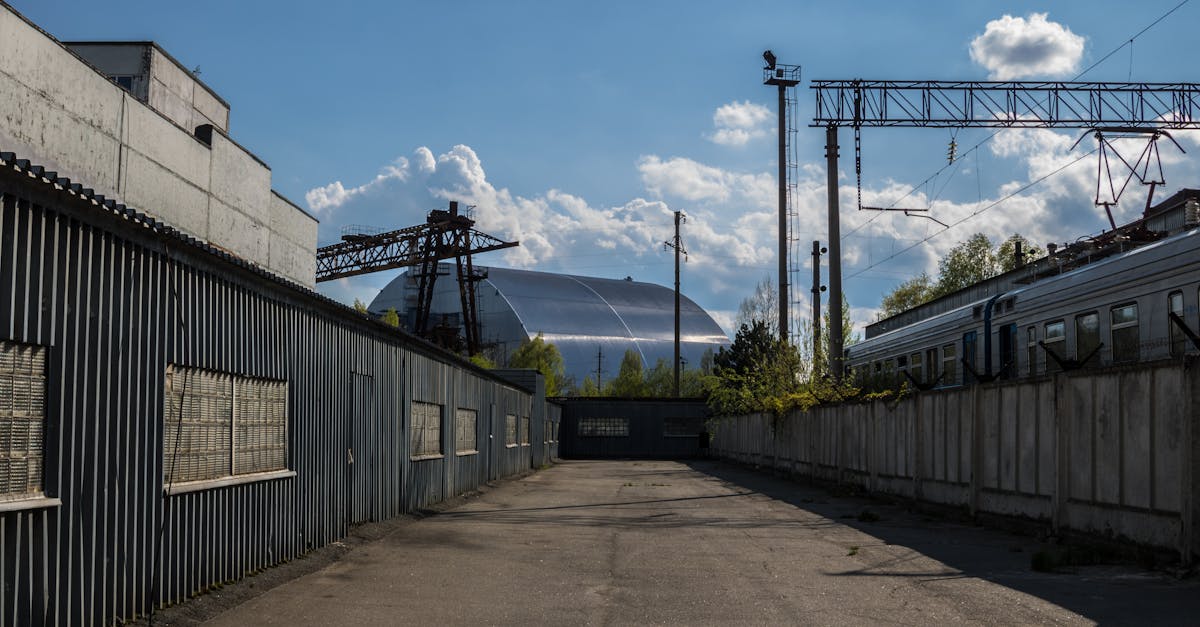
A recent drone strike near Chernobyl raises fresh concerns about nuclear site safety amid ongoing regional conflict and security lapses.
## Drone Strike Near Chernobyl Revives Security Alarms
In the past month, reports of a drone strike near the Chernobyl nuclear disaster site have triggered renewed worries about the security and safety of this sensitive location. Chernobyl, famous for the catastrophic 1986 reactor meltdown, remains a hazardous exclusion zone, and the recent incident underscores risks posed by the ongoing military conflict in the region.
The drone activity near the site reveals security vulnerabilities in controlling airspace, especially given the advancement and accessibility of drone technology. Officials and global observers are now evaluating how to better protect Chernobyl from such threats.
## Why Is Chernobyl Trending Now?
Chernobyl has entered the spotlight again this week following the drone strike reported during ongoing Eastern European tensions. As the site houses radioactive remnants under protective structures, any damage or disturbance could infect the environment or spread contamination beyond the exclusion zone.
This event has amplified international discussions about nuclear safety amid conflict and brought Chernobyl back into trending news streams globally.
## The Importance of Chernobyl’s Safety Protocols
Despite being inactive, Chernobyl remains one of the world’s most hazardous nuclear sites due to residual radiation. Over the years, multiple safety barriers—such as the New Safe Confinement structure—have been installed to contain radioactive material.
However, the drone strike reveals that these safety measures could be compromised if unauthorized aerial devices or military actions continue unchecked. Experts warn that breach or damage to containment could lead to environmental disasters years after the original tragedy.
## Security Challenges Posed by Drones
The rise in drone usage across conflict zones has introduced new challenges to nuclear site security worldwide. Drones can evade traditional radar, fly at low altitudes, and be operated remotely, making them difficult to detect.
In Chernobyl’s case, this presents a direct threat not only to physical structures but also to personnel monitoring the exclusion zone. Ukrainian security forces are reportedly investigating the drone strike’s origin and are working to bolster detection and response capabilities.
## Expert Views on Nuclear Site Vulnerability
Nuclear safety specialists express concerns that the drone strike at Chernobyl is symptomatic of a broader global threat to vulnerable nuclear sites in conflict areas.
Dr. Marina Petrova, a nuclear security analyst, states, “Even non-lethal drone incursions can destabilize containment efforts. Sites like Chernobyl require continuous and advanced monitoring systems to ensure that their hazardous materials remain undisturbed.”
These expert opinions stress the need for technological upgrades and international cooperation to protect such critical infrastructure.
## Potential Environmental and Health Impacts
Even a minor incident at the Chernobyl site can carry long-term ecological and health consequences. Radioactive dust, if released, could contaminate large swaths of land beyond the already restricted zone, risking public health and ecological balance.
Though the recent drone strike reportedly caused no immediate damage, the potential for future events remains a serious concern compelling swift security enhancements.
## Global Efforts and Preventative Measures
Following the incident, calls for stronger international frameworks to protect nuclear disaster sites have intensified. Key steps under discussion include:
– Implementing strict no-fly zones enforced with modern drone detection and neutralization technology.
– Enhancing physical security measures around the site perimeters.
– Coordinating with international nuclear safety organizations to establish rapid response protocols.
– Increasing transparency and real-time reporting on site status to global stakeholders.
These measures aim to minimize the risk of accidents or attacks compromising nuclear safety.
## What This Means for You
Chernobyl’s drone strike is a reminder that nuclear safety extends beyond disaster management to ongoing security vigilance. Awareness and support for safeguarding such sites can contribute to global safety.
Stay informed about developments at Chernobyl and understand the importance of protecting nuclear heritage sites amid modern threats.
—
**Concerned about nuclear safety? Share this article to raise awareness on the evolving challenges facing Chernobyl and other nuclear sites worldwide.**